Fox Ledger / Entries / Invoices
What must an invoice include in the UK?
Posted by the editors. Figures stated by tax year.
A UK invoice must carry a unique number, your name and contact details, your customer's name and address, a clear description of the work or goods, the supply date, the invoice date, the amounts charged and the total owed. VAT goes on as well if it applies. A sole trader using a business name must also give an address where legal documents can be delivered.
That list comes from GOV.UK's page on what invoices must include. There is no official form, so a word processor, a spreadsheet or invoicing software will all do. Here is a sample with every required item numbered, followed by notes on each.
6 Invoice date: 12 October 2026
5 Work carried out: 5 to 9 October 2026
trading as [Your business name]
[Address for legal documents]
[Phone and email]
3 Bill to: [Customer name], [customer address]
| 4 Description | 7 Amount (£) |
|---|---|
| Decorating two ground-floor rooms: 2 days at £180 a day | 360.00 |
| Materials: paint and filler | 50.00 |
| 8 VAT: not registered, none charged | 0.00 |
| 9 Total owed | 410.00 |
Payment terms: 30 days from the invoice date. Pay by bank transfer to [account details], quoting 0032.
The nine items, one at a time
- A unique identification number. A plain running sequence is enough. The point is that each invoice can be found again and none can be confused with another.
- Your name, address and contact details. A sole trader gives their own name and any business name they trade under, plus an address for legal documents if a business name is used.
- The customer's name and address. Use the person or organisation actually being billed, which is not always the person who rang you.
- A clear description. "Work as agreed" invites a query. Say what was done or supplied.
- The supply date. That is when the goods or services were provided, which may differ from the date you write the invoice.
- The invoice date. Under traditional accounting this date decides which period the income falls in, as our note on cash basis and traditional accounting explains.
- The amount or amounts charged. Show each line separately when there is more than one.
- VAT, if applicable. See below.
- The total owed. One unmistakable figure.
Payment terms and bank details are not on the GOV.UK list, yet leaving them off is an easy way to wait longer for your money.
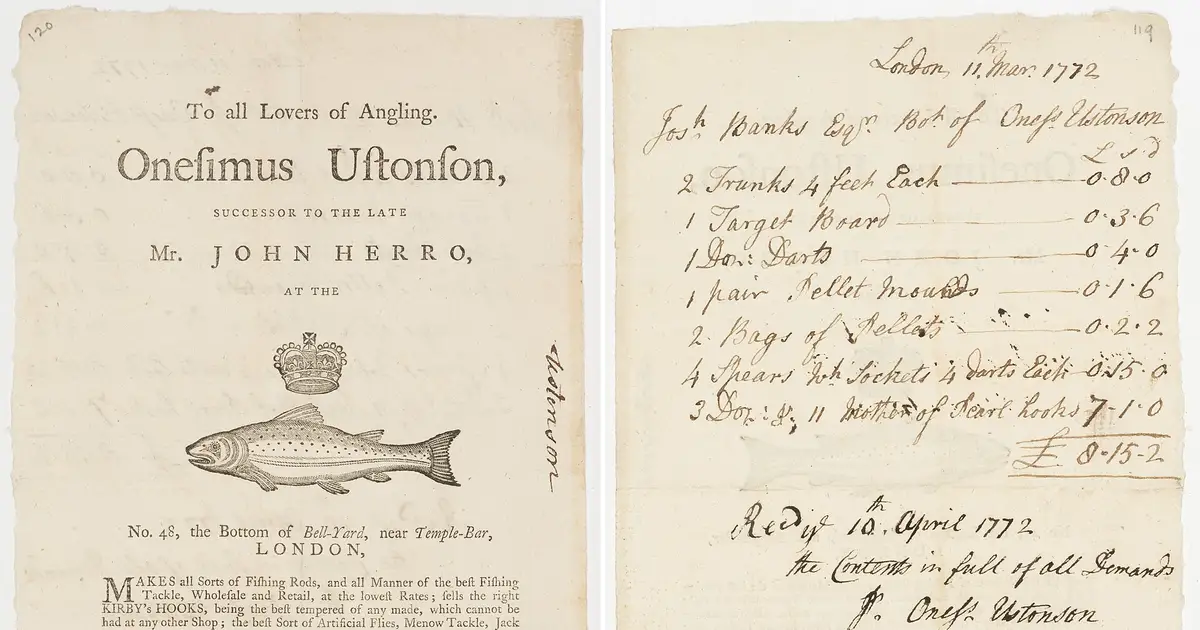

Limited companies have two extra rules
If the very small business is a limited company, the invoice must show the full company name as it appears on the certificate of incorporation. Directors' names are optional, but if you include any you must list all of them.
Where VAT changes things
You must use a VAT invoice if you and your customer are both VAT registered. GOV.UK's VAT record-keeping guidance says invoices must include your VAT number and show the VAT separately, and a VAT invoice carries more information than a standard one, so read that guidance before you issue your first.
Registration itself is triggered by turnover. The threshold is £90,000 of taxable turnover, and you must register if your total for the last 12 months goes over it, or if you expect to pass it in the next 30 days alone. That last 12 months is measured at the point you check, not by the tax year, so a busy spell can tip you over partway through a year. Check the current figure before relying on it.
When a business customer pays late
Good invoices do not stop late payers, but the dates on them decide when "late" begins. GOV.UK's late payment rules for commercial transactions work like this. An agreed payment date must usually be within 60 days for business transactions, or 30 days for public authorities. Businesses can agree longer if it is fair to both sides. Where nothing was agreed, the payment becomes late 30 days after the customer receives the invoice, or after you deliver the goods or service, whichever is later.
Once a payment is late, you can charge statutory interest of 8% plus the Bank of England base rate, unless the contract sets a different rate. You work out the yearly interest, divide by 365, then multiply by the days late. If you add interest, send a new invoice. You can also claim a fixed sum towards recovery costs, once for each payment.
| Size of the debt | Fixed sum (£) |
|---|---|
| Up to £999.99 | 40.00 |
| £1,000 to £9,999.99 | 70.00 |
| £10,000 or more | 100.00 |
| Interest on a £1,000 debt, 30 days late, with a base rate assumed at 4% for this sum only: £1,000 × 12% ÷ 365 × 30 | 9.86 |
These rules concern business customers. If you bill householders, or a dispute is turning serious, take advice from a solicitor or an adviser before charging anything extra. It also pays to think about the relationship: statutory interest is a right you can use, not a duty, and plenty of small firms simply start with a polite reminder that quotes the invoice number and the agreed date.
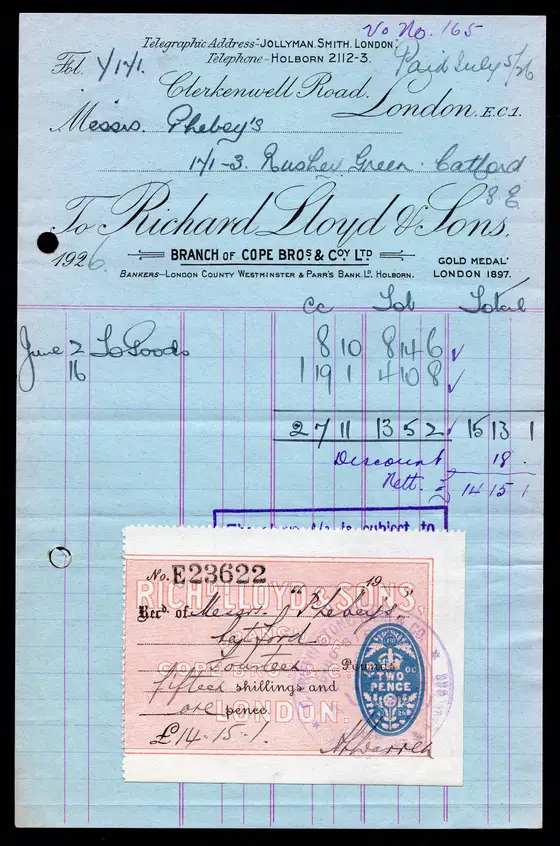

What to do with your copy
Your sales invoices are part of your business records, so a copy of each one stays with the books for the full retention period. Our guide to what records a sole trader keeps gives the dates. Under cash basis, an invoice you have issued does not count as income until you are paid, so your unpaid list matters for chasing money even when it plays no part in the tax sum. When the money does arrive, enter it with the invoice number beside it. That single habit means you can trace any figure in the return back to one document, whichever method you use. And if you bought materials for the job, as in the sample, the supplier's receipt is what supports the cost as a business expense.
General education, not personal advice. Links in this article go to the GOV.UK pages we read while writing it, opened again on 8 November 2026. Rates and rules change, so check the current figure on GOV.UK before relying on it.